
Where the Grid Stops: Building MamaGrid with AI
May 6, 2026
Where the Grid Stops: Building MamaGrid with AI
A reflective journey through the AIGC for Future Global Challenge
I first approached the AIGC for Future Global Challenge thinking the hard part would be generating good visuals. I was wrong. The real challenge was not making AI produce beautiful images. The real challenge was building a story that actually deserved those images.
MamaGrid started as a question: what if clean energy access was not only about bringing power to underserved communities, but about giving women the ownership to operate that power themselves?
The Challenge
The AIGC for Future Global Challenge is a global competition focused on AI-generated content across formats like image, video, and audio. The themes were broad: Digital Culture, Digital Consumption, Women Empowerment, and Green Development.
Two tracks immediately caught my attention: Women Empowerment and Green Development. But I didn’t want to chase both at once with generic messaging. I wanted something grounded. Something specific. Something that made sense for the context I understood.
Generic sustainability ideas felt too broad. “Clean energy for everyone” is true, but it’s not a story. It’s a slogan without a face. I needed a direction that could carry a two-minute film without collapsing into vague inspiration.
The Idea
MamaGrid was born from a simple observation: unreliable electricity affects more than lighting. It affects food preservation, phone charging, small business continuity, mobile money access, education after sunset, market safety, and income opportunities. The ripple effects are everywhere, but the solutions often treat symptoms, not causes.
The better direction was to reframe energy access as both a climate issue and an ownership issue. Not “someone brings power to a community.” But “women build the infrastructure themselves.”
That became MamaGrid: an AI-generated short film about women entrepreneurs operating solar-powered community energy kiosks that provide phone charging, cold storage, lighting, and small-business energy services.
The Message
The core slogan guided everything:
Where the grid stops, women build the next one.
“Where the grid stops” means unreliable or absent electricity. “Women build” means women as operators, owners, technicians, and infrastructure builders. “The next one” means decentralized clean energy systems that communities can own and operate.
This wasn’t just marketing copy. It was the filter every creative decision passed through. If a visual didn’t serve that message, it didn’t make the cut.
The Story
Meet Asha. She’s not a victim. She’s not a symbolic beneficiary. She’s the operator of the system.
Asha runs a solar-powered kiosk in a peri-urban East African market. Her customers come to charge phones, store perishables, get lighting for evening study sessions, and power small business equipment. She learned to maintain the system herself. She trains other women. She manages the books.
This is what women-led energy infrastructure looks like: practical, community-embedded, and owned by the people it serves.
The film follows her day: the morning rush, the afternoon cool storage work, the evening study light for kids, the training session with another woman. No holograms. No sci-fi devices. Just a market, a kiosk, and someone making it work.
The Production Process
Phase 1: Concept Lock
The foundation was laid before any AI was touched:
Project title: MamaGrid
Core tracks: Women Empowerment + Green Development
Core idea: women-led solar micro-hubs
Services: phone charging, cold storage, lighting, small-business energy support
Slogan: Where the grid stops, women build the next one
Without this, the prompts would have scattered.
Phase 2: Visual References
Using GPT Image 2, I generated core still images:
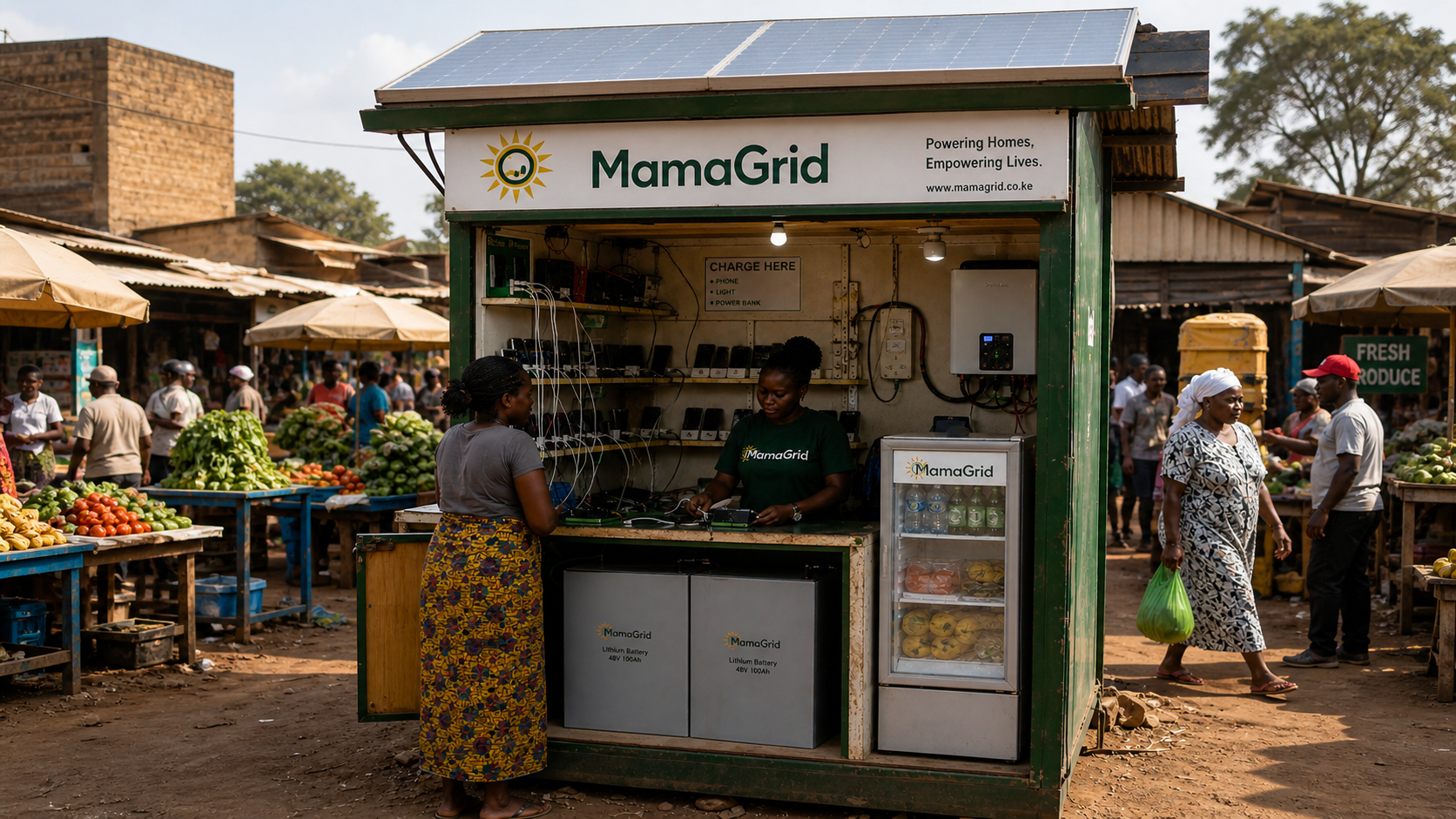
Asha at her kiosk
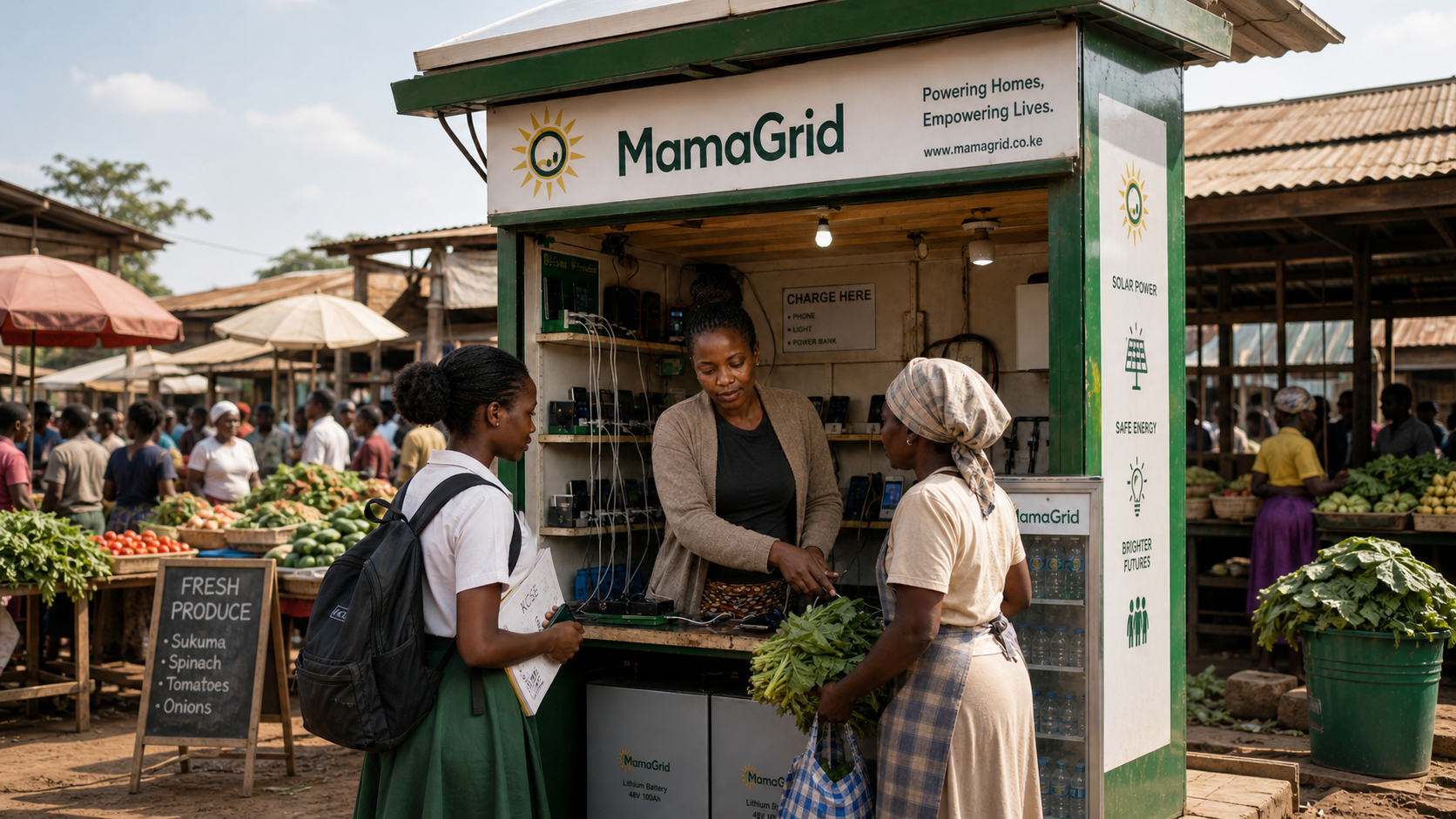
Customer service scene
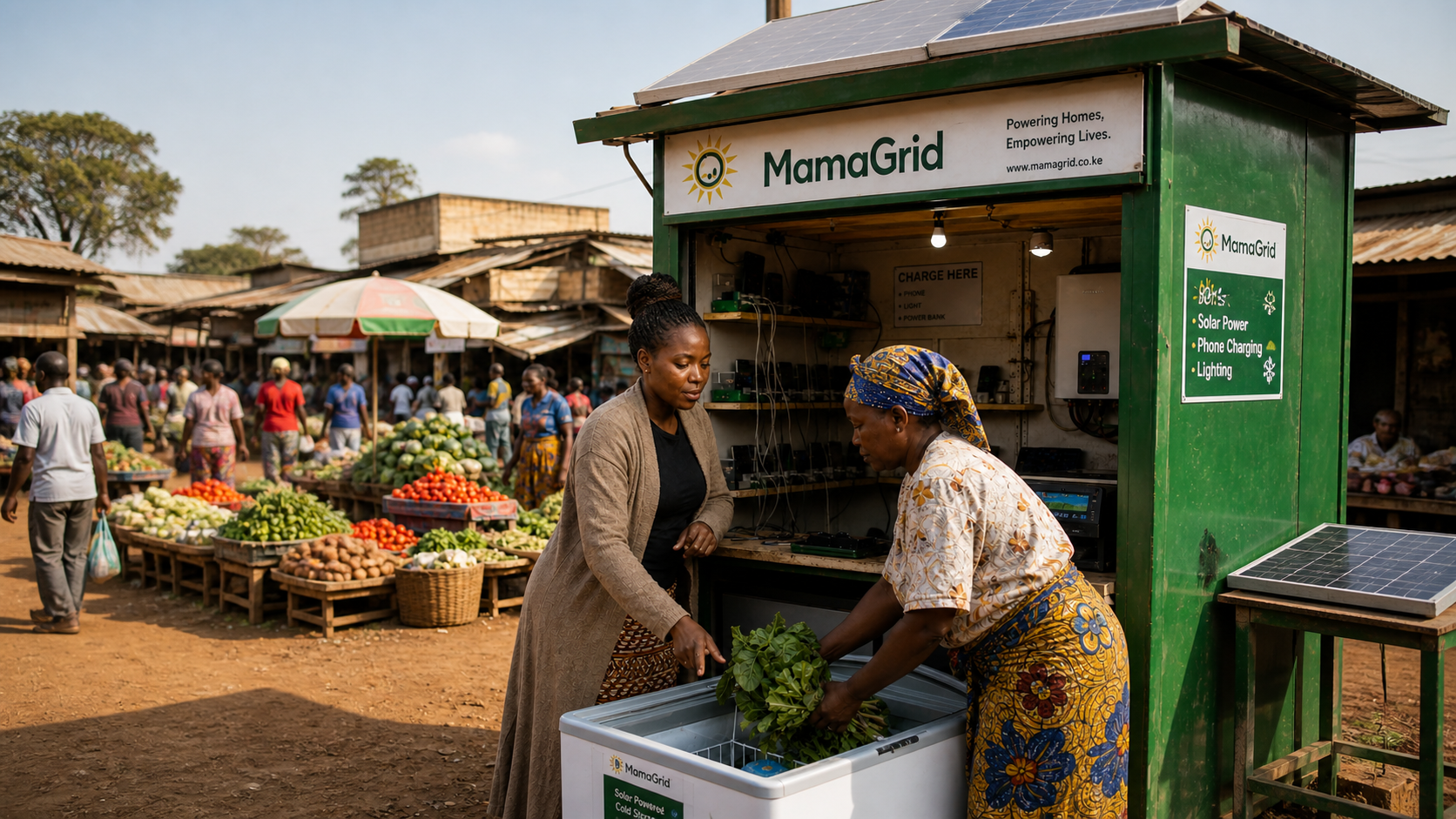
Cold storage interior
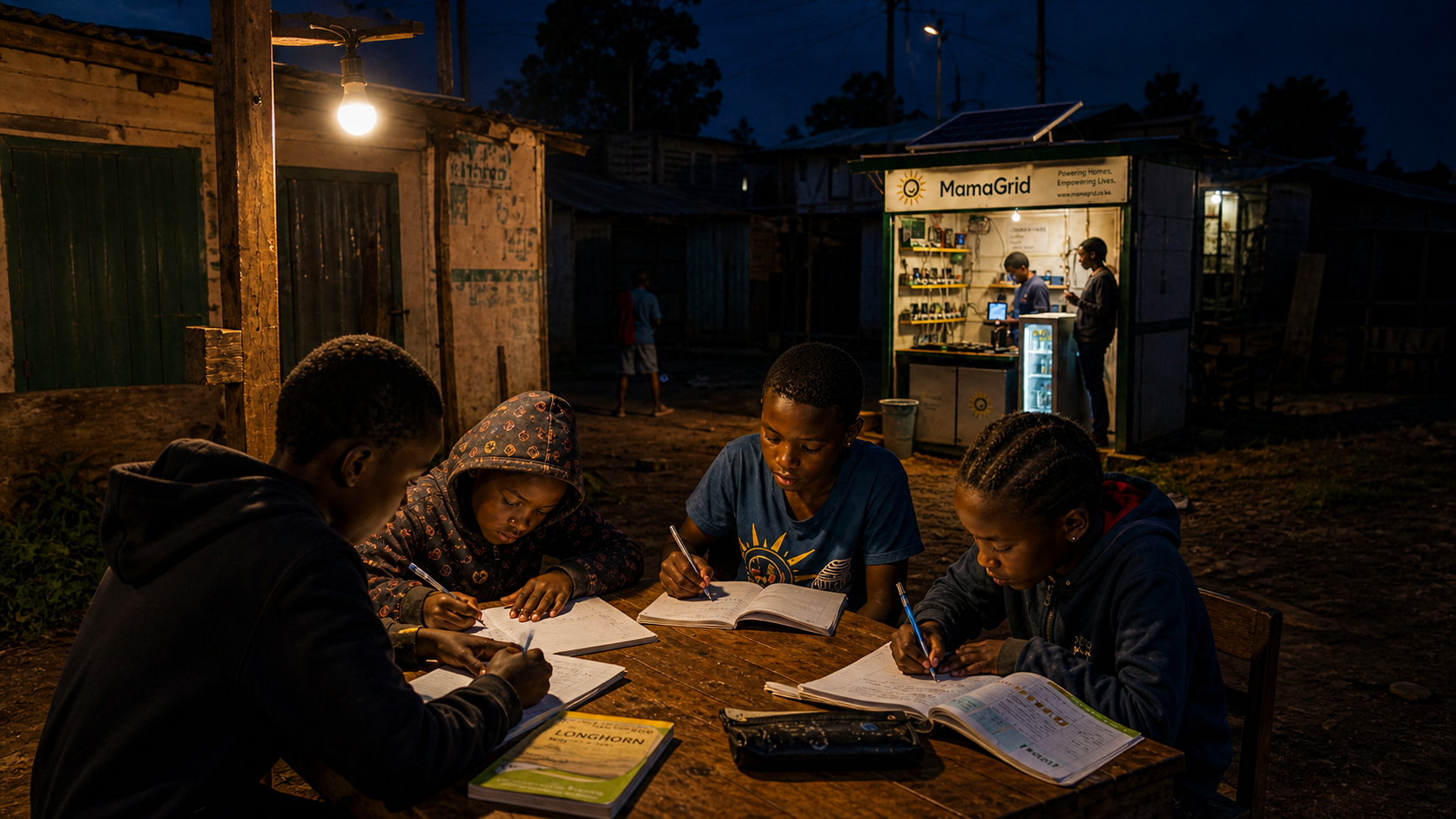
Children studying under solar light
Women training session
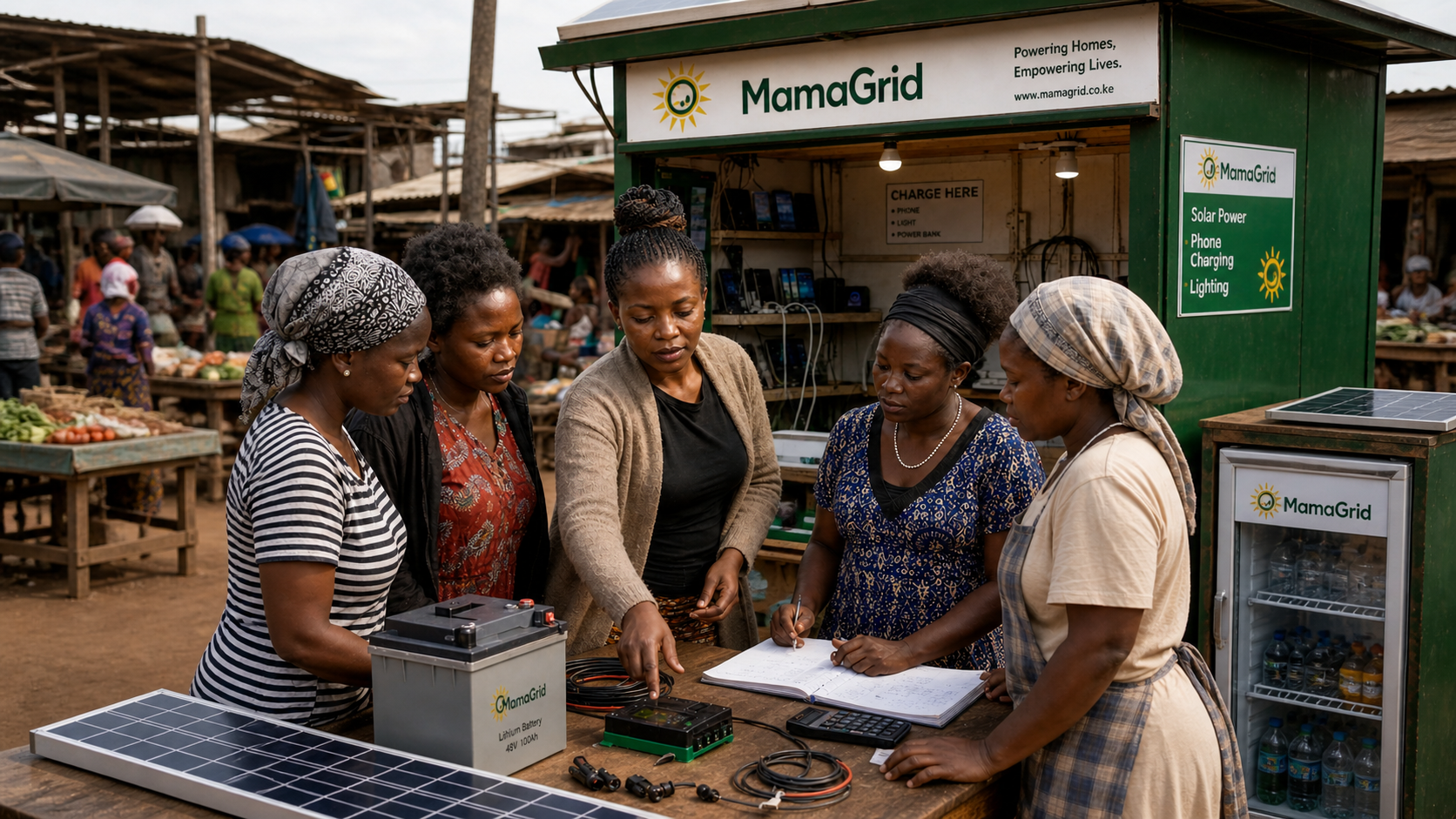
Final hero shot
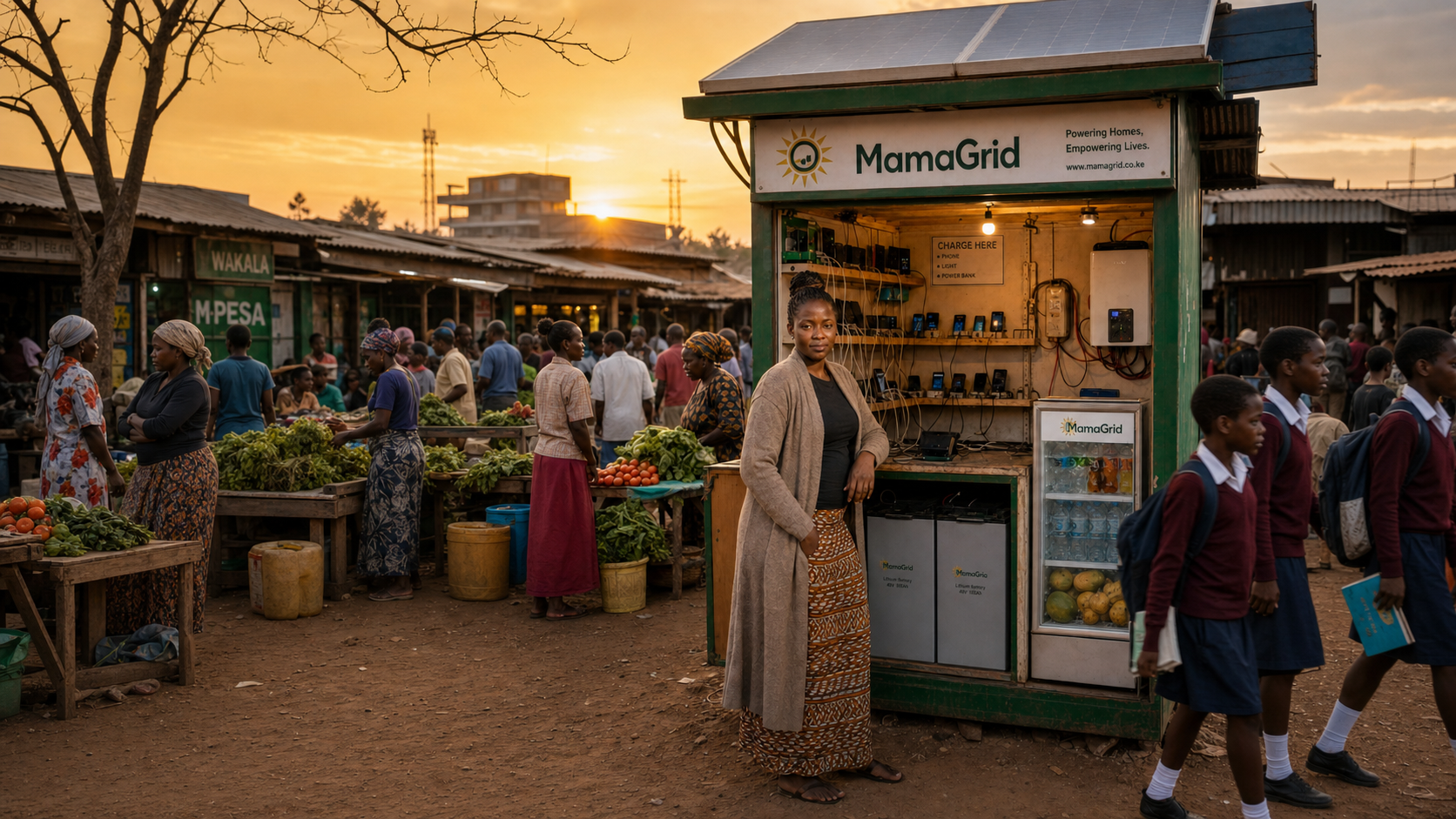
Each prompt was written to avoid the visual clichés that plague sustainability content: no poverty-porn, no exaggerated smiling, no generic “woman holding solar panel” shots. The direction was cinematic, realistic, warm but not over-polished.
Phase 3: Script and Voiceover
The narration was built around practical needs that anyone recognizes:
Phones still need charging
Food still needs cooling
Children still need light
Businesses still need a chance to grow
ElevenLabs generated the voiceover: clear, calm, documentary in tone. Not salesy. Not over-emotional. Just matter-of-fact storytelling.
Phase 4: Storyboard
The film was organized around clear story beats:
The problem — what energy access looks like when it fails
The builder — who Asha is
The solution — the solar kiosk
The impact — specific use cases
Women-led scale — training and replication
Final message — the slogan, land
Phase 5: Editing
The final video was assembled in CapCut:
AI-generated still images as the foundation
Slow zooms and pans for cinematic movement
Fades between scenes for pacing
Voiceover synced to visuals
Subtitles for accessibility
Basic but deliberate cinematic rhythm
The constraint became the style. Instead of chasing unstable AI animation, the stillness of the images paired with slow motion created something more deliberate. More cinematic. More honest.
What Went Wrong
The final piece was not made by following the perfect toolchain. It was made by adapting when the toolchain broke.
AI video tools had limits. My first idea was to use tools like Runway or Veo/Gemini to animate scenes. But Runway credits became restricted. Gemini and Veo had policy restrictions around generating video from people-based images. Some tools blocked prompts that referenced characters or realistic human subjects entirely.
The editing timeline had a mismatch. The generated images ended before the voiceover was even halfway done. I had to rethink the pacing mid-edit.
CapCut had to be learned from scratch. I’d never used it seriously before this project. The learning curve was steep, and the deadline didn’t wait.
Some generation attempts were rejected. Not every prompt worked. Some visual directions were blocked. Some outputs were inconsistent with the tone I wanted.
This section matters because it makes the blog useful. The mythology of smooth AI production hides the real work. The real work is troubleshooting, adapting, and sometimes rebuilding from a broken foundation.
What I Learned
1. AI Does Not Replace Direction
AI can generate visuals, but it does not automatically create meaning. The project needed concept clarity, story structure, visual consistency, editing judgment, and a strong final message. None of that comes from a prompt. It comes from knowing what you’re trying to say.
2. The Prompt Is Not the Project
Prompting was one part of the workflow. The real project involved choosing the idea, defining the audience, designing the story, generating assets, fixing tool constraints, editing the timeline, syncing audio, and packaging the submission. The prompt is where the work starts, not where it ends.
3. Constraints Improved the Work
The limitations forced a simpler and more controlled output. The original vision involved full AI animation. The final execution became a cinematic still-image film with strong narration and pacing. That constraint made the piece more deliberate. Sometimes the broken path leads somewhere better than the perfect one would have.
4. Specificity Beats Generic Impact Language
The project worked because it showed specific use cases: a vendor preserving stock, phones charging, children studying, women learning to operate equipment, markets staying active after sunset. This is stronger than saying “AI for sustainability.” Concrete beats abstract every time.
The Tools
GPT Image 2 — for generating visual assets
ElevenLabs — for AI-assisted voiceover narration
CapCut — for editing, motion effects, subtitles, and final export
Final Reflection
MamaGrid is not a deployed company or a physical solar kiosk yet. It is a visual prototype of a future worth taking seriously: one where clean energy is local, women are infrastructure operators, and technology is judged not by how futuristic it looks, but by how useful it becomes.
I used an AI challenge to test whether generative tools can help communicate practical, grounded development ideas. MamaGrid became my attempt to visualize women-led clean energy infrastructure before it exists physically.
The grid stops in a lot of places. But where it stops, women build the next one.
Embed MamaGrid video here
*Link: https://drive.google.com/file/d/1dgIyXpEVplMithbcEfslhQvWyxPPPOJe/view?usp=drive_link*
Built for the AIGC for Future Global Challenge — Women Empowerment + Green Development tracks